
Aspirin-Like Compounds Could Treat Numerous Human Diseases
People have used aspirin to treat pain, fever and inflammation for more than a century, and the drug is also used to reduce the risk of strokes, heart attacks and some cancers. An estimated 100 billion aspirin tablets are taken worldwide each year, but how it works...
Groundcherries: a New Treat
Groundcherries: a New Treat by Carol Bayles, Master Gardener, with input from Esperanza Shenstone, Boyce Thompson Institute Note: this article originally appeared in the Cornell Cooperative Extension Garden Post newsletter Most gardeners love to try new things and...

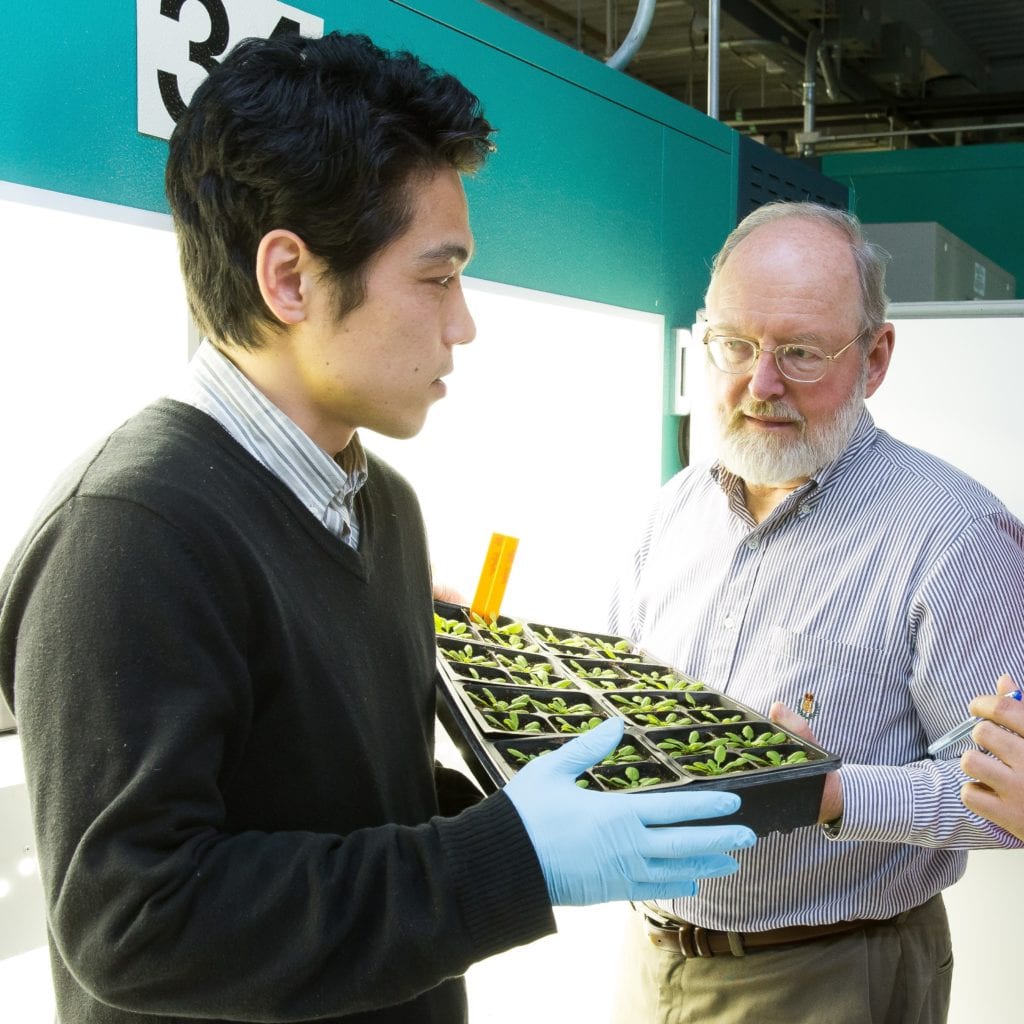
BTI Researchers Publish High-Impact Nature Papers
We would like to congratulate a pair of BTI faculty members who recently published high-impact research papers in the prestigious research journal Nature. Frank Schroeder and colleagues discovered the first clues on how gut health influences brain health. Published...
Harvesting Genes to Improve Watermelons
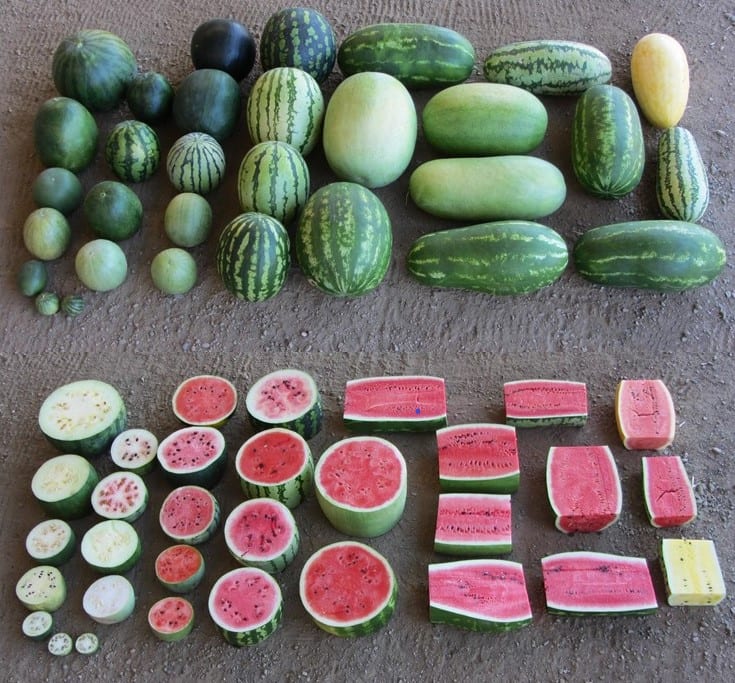
When many people think of watermelon, they likely think of Citrullus lanatus, the cultivated watermelon with sweet, juicy red fruit enjoyed around the world as a dessert. Indeed, watermelon is one of the world’s most popular fruits, second only to tomato – which...
BTI’s Michelle Heck and Joyce Van Eck Guest on Podcasts
Boyce Thompson Institute is happy to share that two of our faculty members recently appeared as guests on popular podcasts. The content of these podcasts illustrate the breadth of research being done at the Institute to help increase global food security, improve...

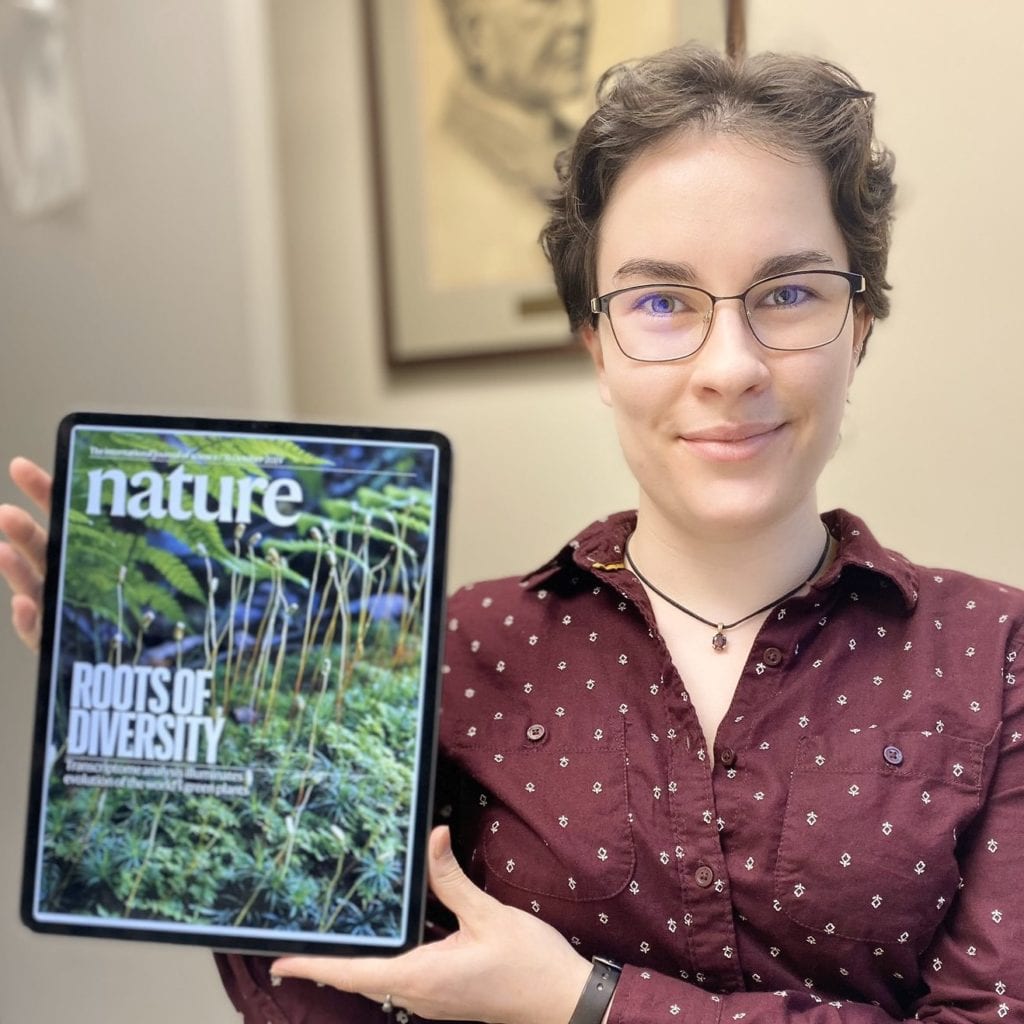
BTI Researchers Unlocking Hornworts’ Secrets
Hornworts are a little-studied, ancient group of plants with some very unique biology, including their methods of securing carbon and nitrogen. Unlocking these secrets may help researchers boost agricultural output and use less synthetic fertilizer, as well as...
Plant Gene Discovery Could Help Reduce Fertilizer Pollution in Waterways
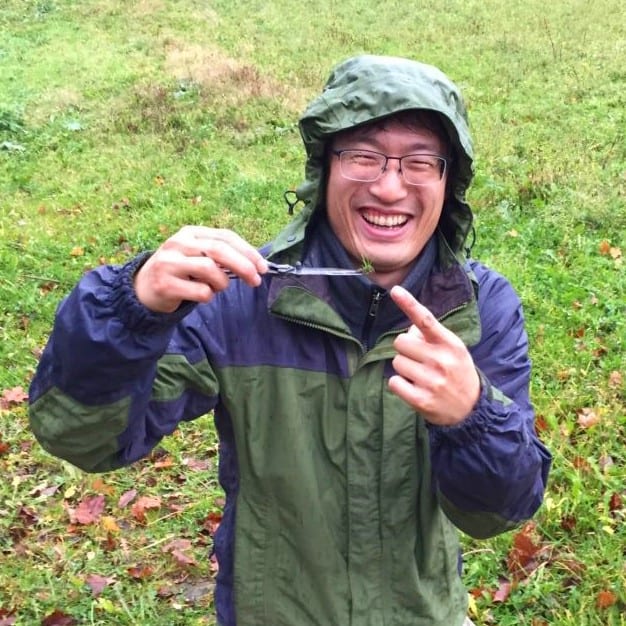
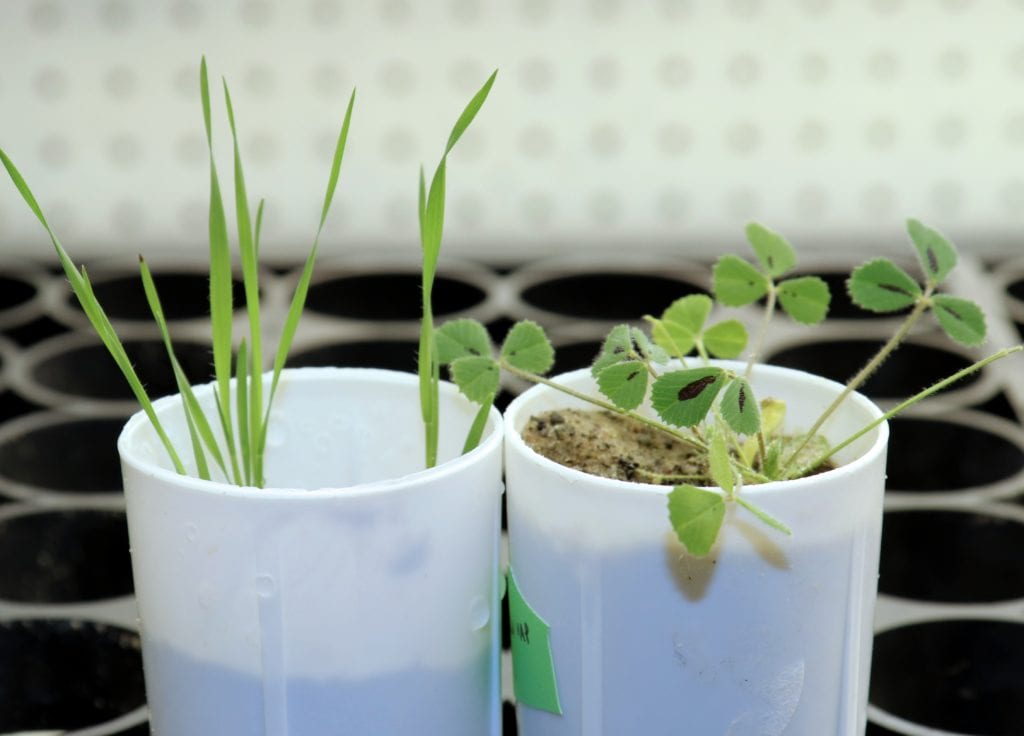
Over-fertilization of agricultural fields is a huge environmental problem. Excess phosphorus from fertilized cropland frequently finds its way into nearby rivers and lakes. A resulting boom of aquatic plant growth can cause oxygen levels in the water to plunge,...
BTI Celebrates Another Successful Summer Internship Program
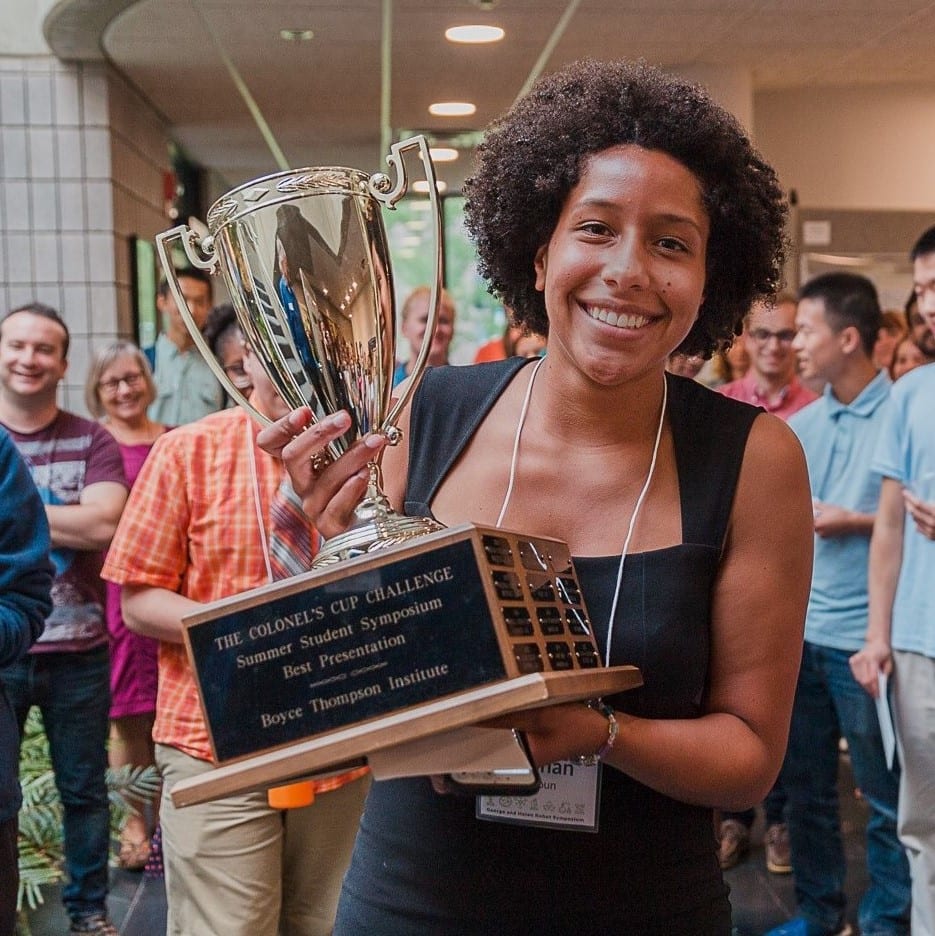
Boyce Thompson Institute celebrated its 19th annual Plant Genome Research Program (PGRP) summer internship program with an award ceremony at the George and Helen Kohut Symposium, which was held at the Institute on August 8. The PGRP focuses on training and...
BTI Researchers Discover Compound that Speeds Sexual Development and Decline
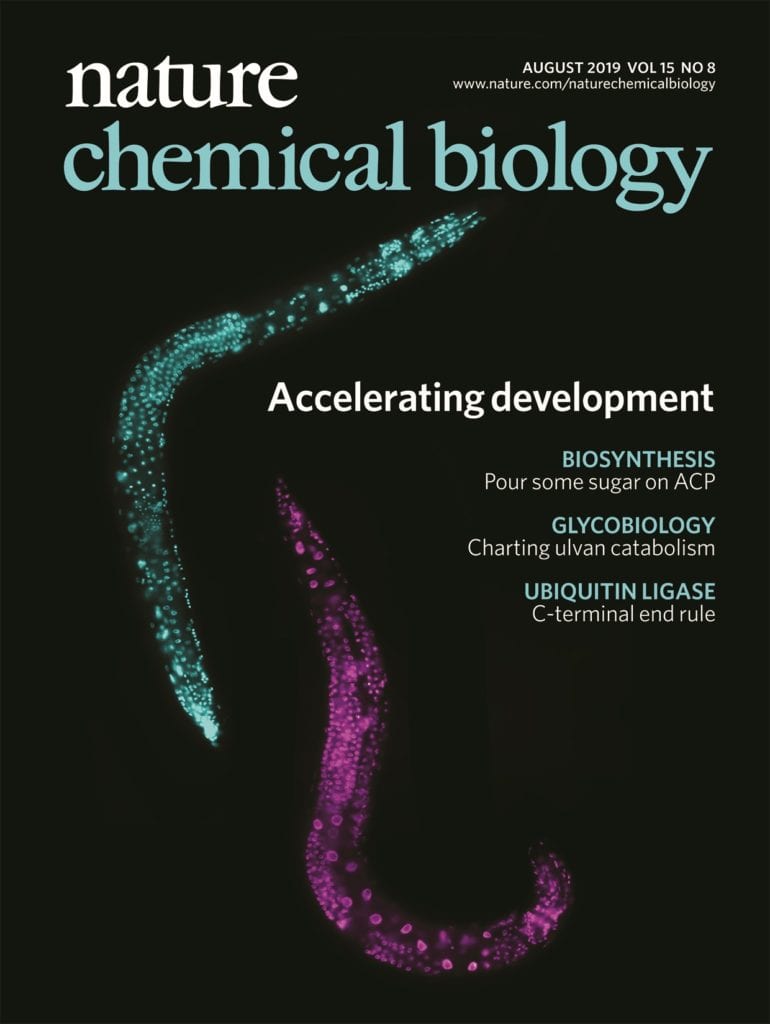
Every day, people are exposed to myriad chemicals, both natural and synthetic. Some of these compounds may affect human physical development, but testing them directly on people would be grossly unethical. To get around this dilemma, researchers from Boyce Thompson...
Worm Pheromones Protect Major Crops
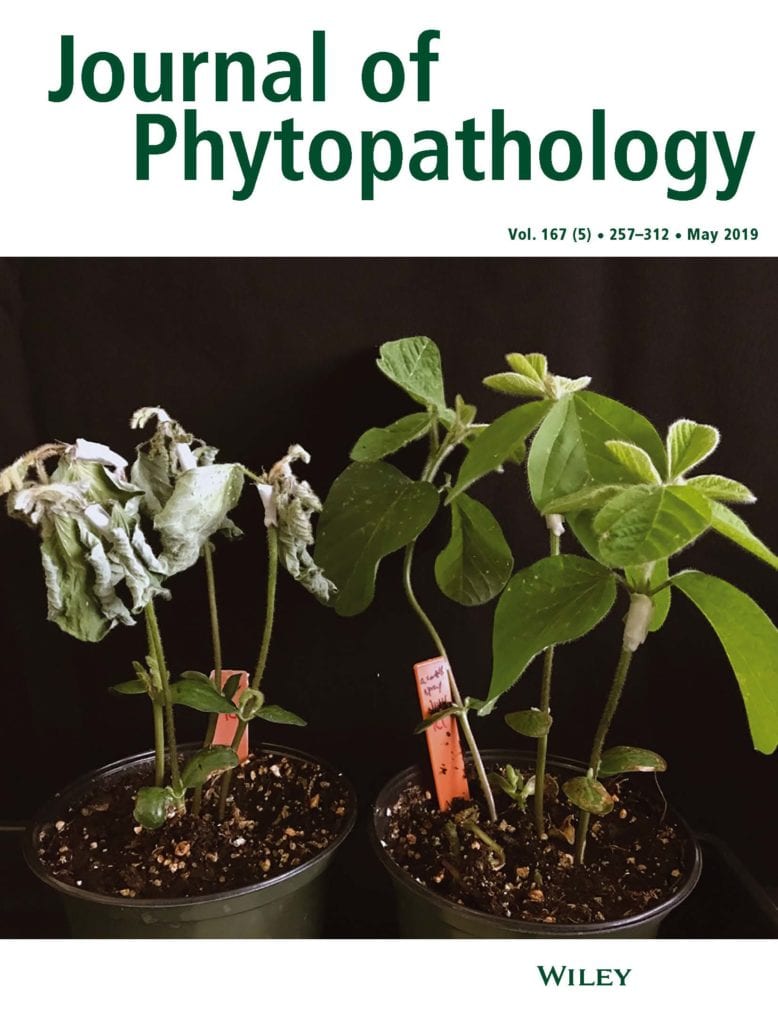
Protecting crops from pests and pathogens without using toxic pesticides has been a longtime goal of farmers. Researchers at Boyce Thompson Institute have found that compounds from an unlikely source – microscopic soil roundworms – could achieve this aim. As...
Subscribe to BTI's LabNotes Newsletter!
Contact:
Boyce Thompson Institute
533 Tower Rd.
Ithaca, NY 14853
607.254.1234
contact@btiscience.org


Copyright © 2023 | Boyce Thompson Institute | All rights reserved | Privacy Policy | Cookie Policy