
Congratulations Spring 2020 Graduates!
We are pleased to announce that six BTI researchers received their degrees from Cornell University this spring. Congratulations to our newest alumni: Jason Hoki, Schroeder lab, PhD in Chemistry & Chemical Biology, Dissertation title: “Development of...
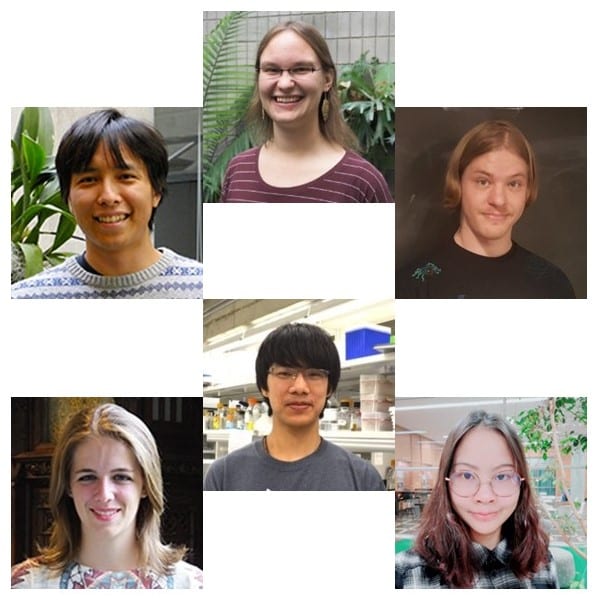
BTI Graduate Students Receive Schmittau-Novak Grants
We would like to congratulate five BTI graduate students who are Spring 2020 Schmittau-Novak Grants Program recipients. Supported by a bequest from the estate of Jean Schmittau in honor of Joseph Novak, Cornell University Plant Biology Professor Emeritus, the...

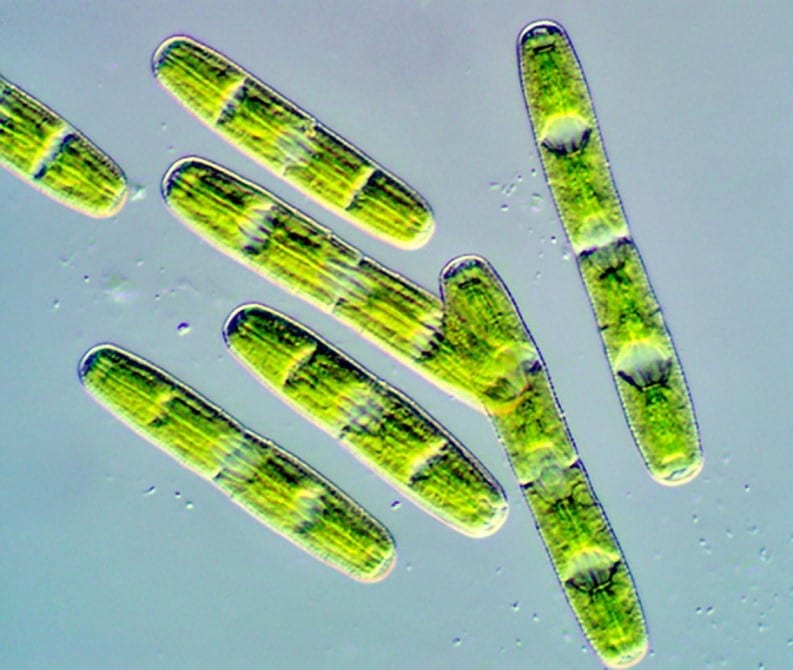
Algal genome provides insights into first land plants
In order to shift from water to land – a transition that still puzzles scientists – plants had to protect themselves from drying out and from ultraviolet (UV) radiation, and they had to develop structures to support themselves without the buoyancy provided by...
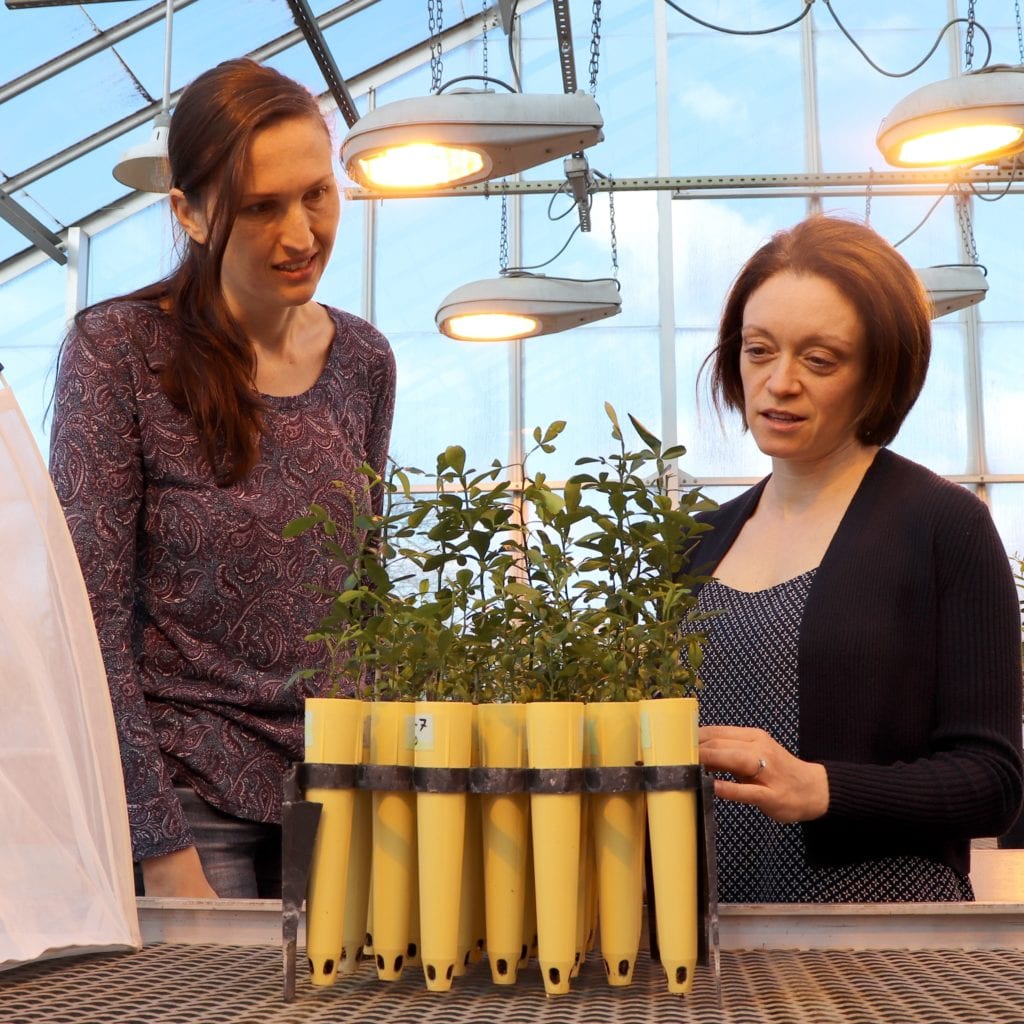
Harnessing Psyllid Peptides to Fight Citrus Greening Disease
Citrus greening disease, also called huanglongbing (HLB), is a bacterial infection of citrus trees that results in small, misshapen and sour fruits that are unsuitable for consumption, ultimately killing the tree. Because there is no cure, HLB is a major threat to...
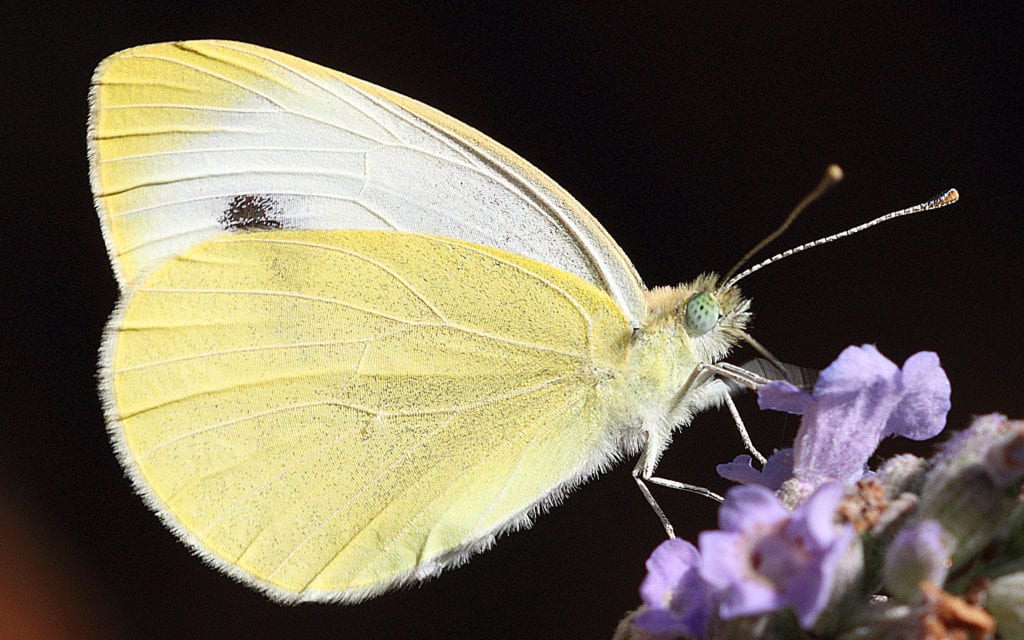
Wallflowers and the Butterflies that Don’t Love Them
Alan Renwick’s research on the wormseed wallflower began in the 1980s, after a chance meeting with Tufts University professor Frances Chew at a Gordon conference. “I had decided to work on cabbage pests, because Ithaca is in a cabbage-growing area,” Renwick said....
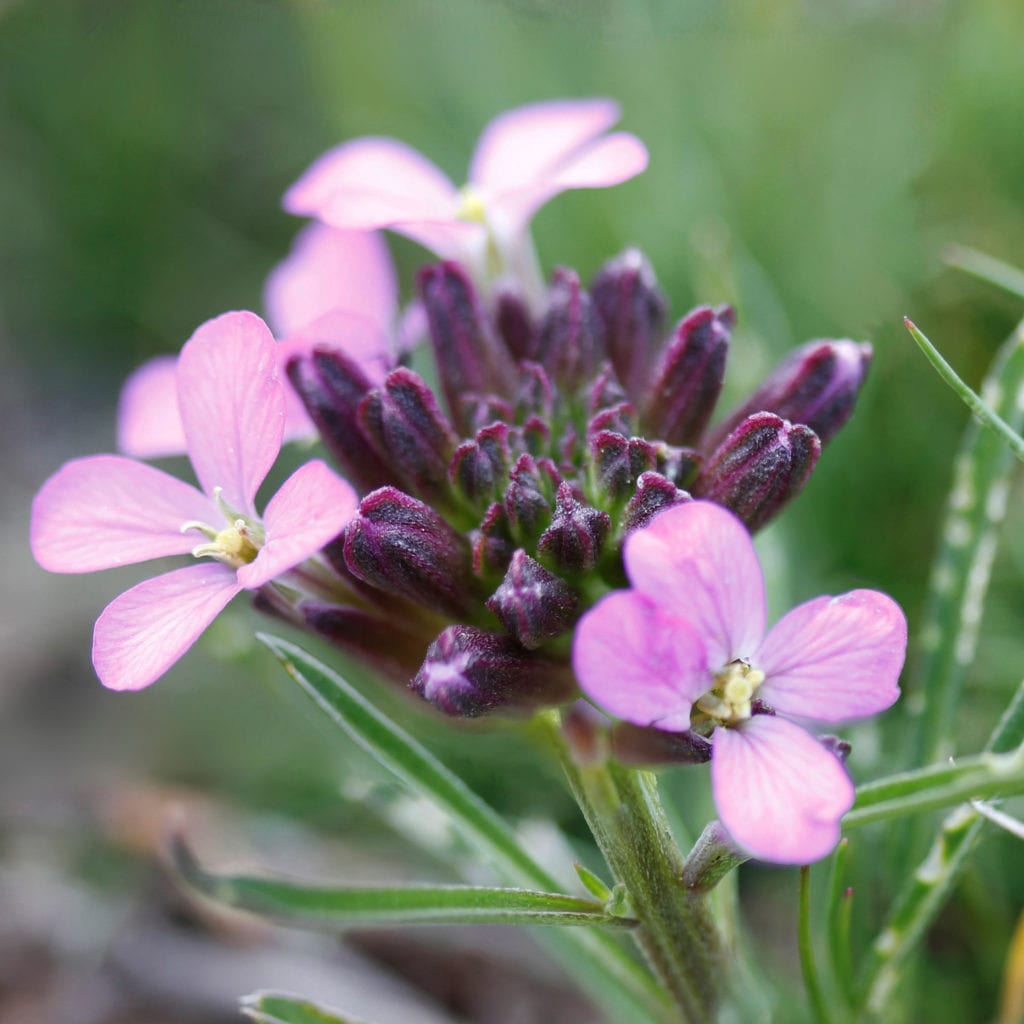
Wallflowers Could Lead to New Drugs
Plant-derived chemicals called cardenolides have long been used to treat heart disease, and have shown potential as cancer therapies. But the compounds are very toxic, making it difficult for doctors to prescribe a dose that works without harming the patient. For...
Hornwort Genomes Could Lead to Crop Improvement
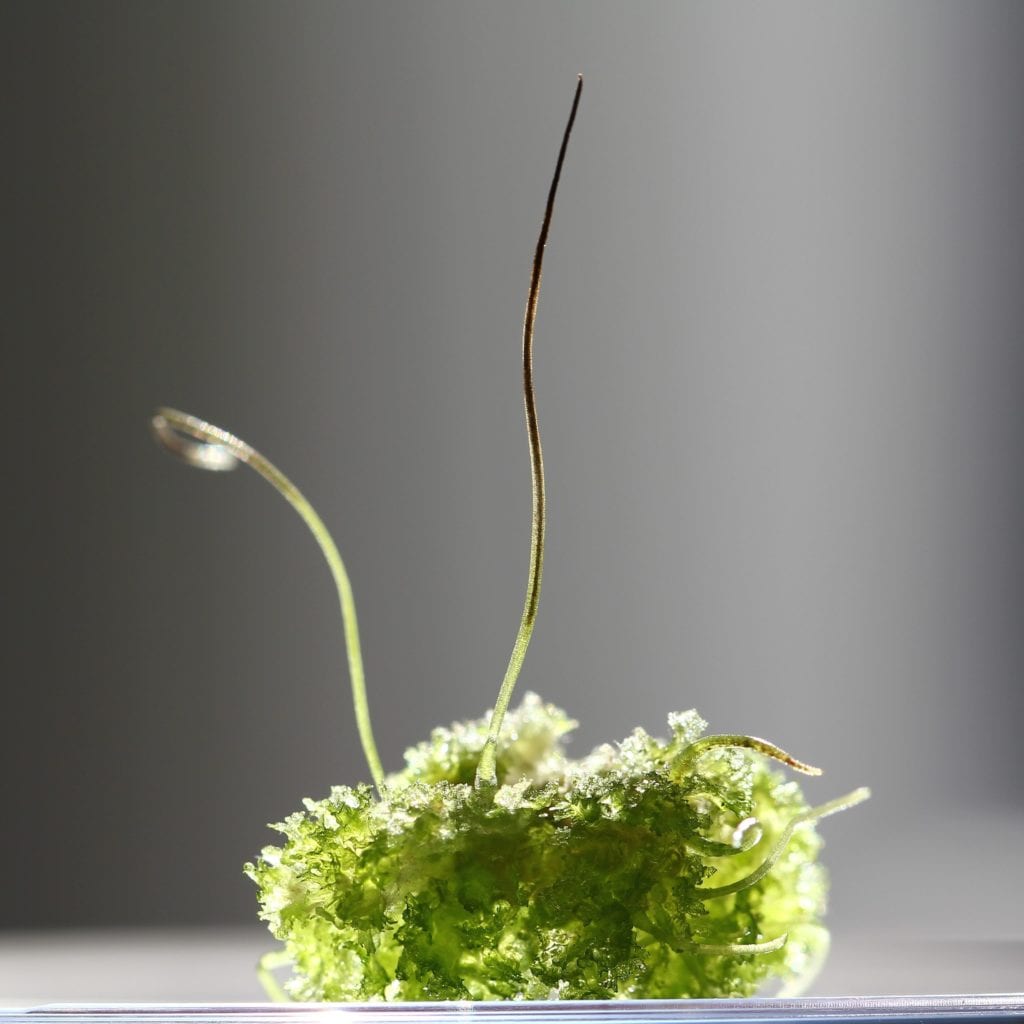
Some 500 million years ago – when our continents were likely connected in a single land mass and most life existed underwater – hornworts were one of the first groups of plants to colonize land. But biologists have never understood much about the genetics of these...
Speedy Recovery: New Corn Performs Better in Cold
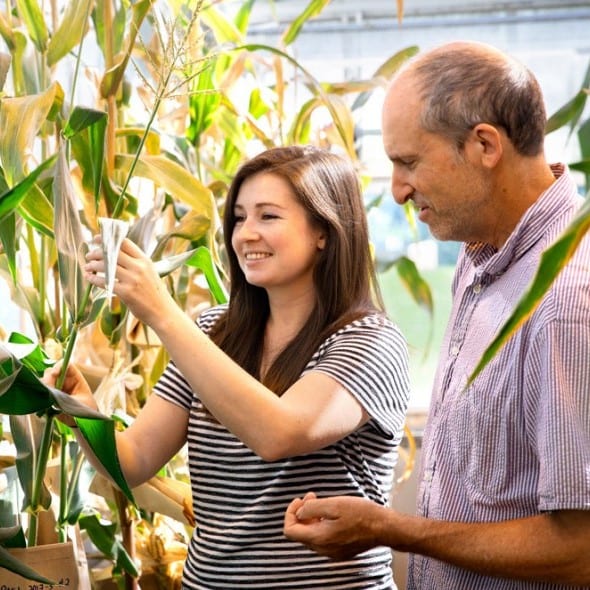
Nearly everyone on Earth is familiar with corn. Literally. Around the world, each person eats an average of 70 pounds of the grain each year, with even more grown for animal feed and biofuel. And as the global population continues to boom, increasing the amount of...
Plants Found to Speak Roundworm’s Language
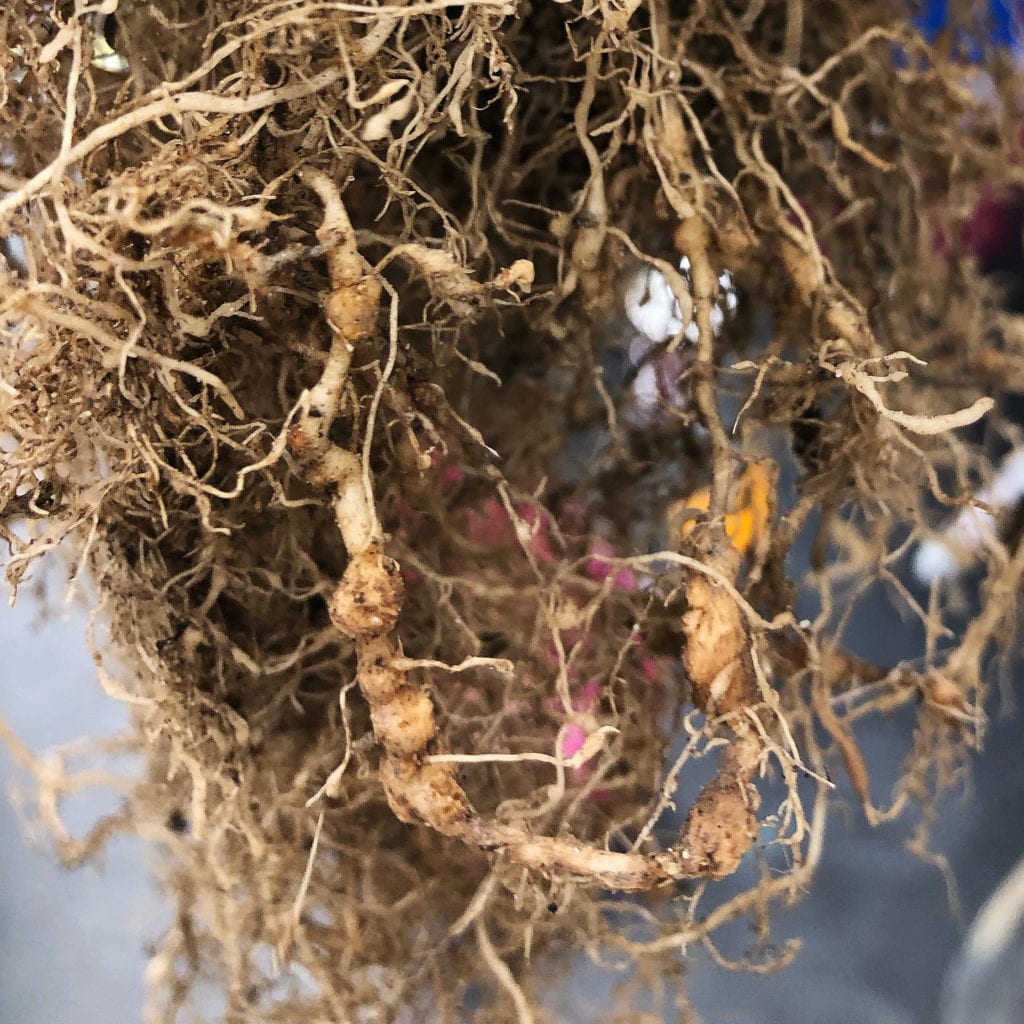
Nematodes are tiny, ubiquitous roundworms that infect plant roots, causing more than $100 billion in crop damage worldwide each year. New research has found that plants manipulate the worms’ pheromones to repel infestations, providing insights into how farmers...
Reflections on Mary Clutter
We at BTI were deeply saddened to hear of the passing of Dr. Mary Clutter on December 8. Many know Mary from her time at the National Science Foundation, where she began as Program Director in the 1970s, working her way up to become Assistant Director for the...

Subscribe to BTI's LabNotes Newsletter!
Contact:
Boyce Thompson Institute
533 Tower Rd.
Ithaca, NY 14853
607.254.1234
contact@btiscience.org


Copyright © 2023 | Boyce Thompson Institute | All rights reserved | Privacy Policy | Cookie Policy