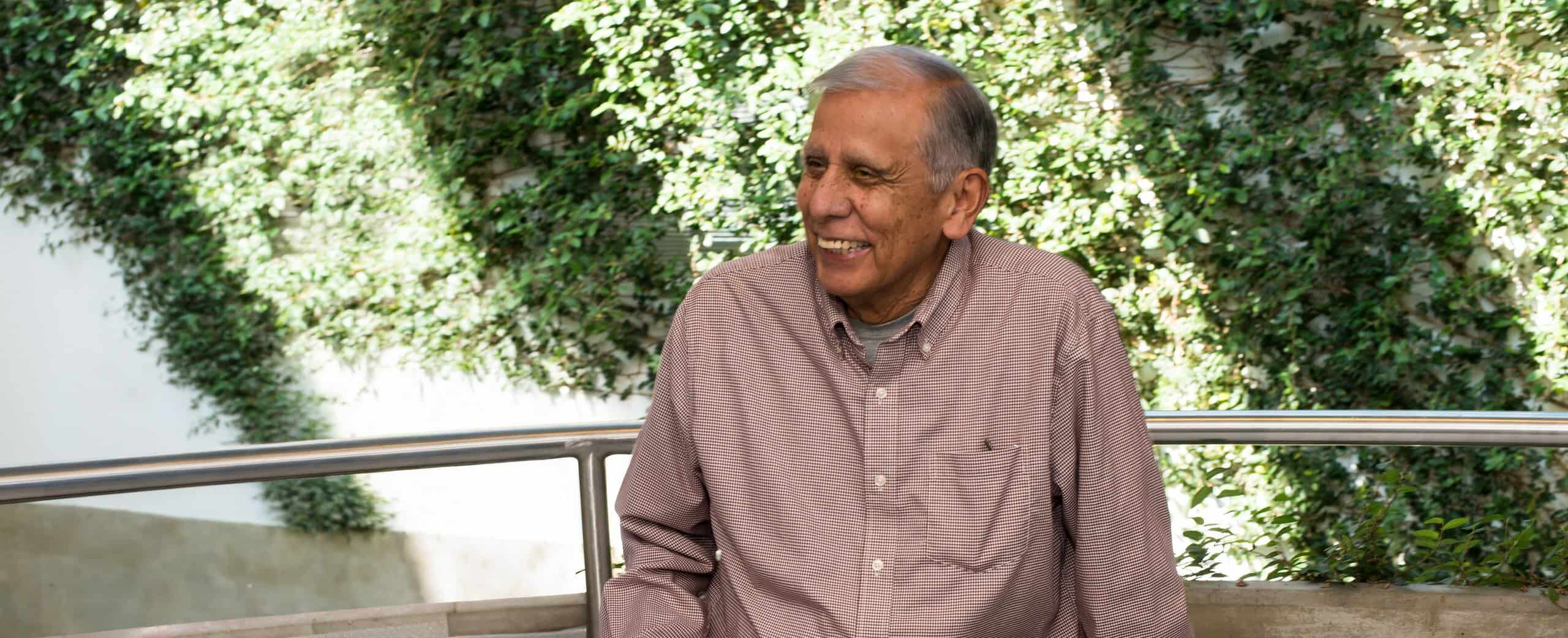
With deep sadness, we share the passing of Dr. Robert “Bob” Granados, emeritus professor at the Boyce Thompson Institute (BTI) and one of the most influential scientists in our history. Bob died peacefully on November 11, 2026, at the age of 89, surrounded by his family.
Bob grew up in El Centro, California, in the farming country of the Imperial Valley. His family credits those roots with shaping his work ethic, his curiosity, and his devotion to family and community. He started at Imperial Valley College, close to home, then earned his bachelor’s degree from the University of California, Davis, in 1960. He went on to earn a master’s degree and Ph.D. in entomology at the University of Wisconsin–Madison.
He joined the BTI faculty in Yonkers, New York, in 1964, the same year he finished his doctorate. It was the start of a career that would last nearly four decades and follow the Institute when it relocated to its home on the Cornell University campus in Ithaca.
A discovery no one saw coming
Bob’s research focused on insect cell biology and natural ways to control crop pests. In the late 1980s, while searching for ways to protect crops from the cabbage looper, a destructive caterpillar, his lab isolated an insect cell line with a surprising talent: it could produce large amounts of protein.
That cell line became HighFive™, and its reach has stretched far beyond the farm field. Today, HighFive cells and their descendants are used in hundreds of labs and biotechnology companies around the world to make proteins for medicine, agriculture, and research. A sub-clone of HighFive was used to manufacture Cervarix, a vaccine against human papillomavirus (HPV) and the first human vaccine produced using insect cells. BTI still licenses the technology today.
“His work remains a remarkable example of how fundamental research can lead to innovations that improve lives around the world, often in ways that could not have been imagined when the research first began,” said Dr. Silvia Restrepo, president of BTI.
“Decades after Bob first isolated these cells, researchers and companies are still building on them,” said Julien Fey, director of BTI’s Translational Program. “Even our newest virus-free sub-clones trace back to his original line. It’s rare for a single discovery to stay this useful for this long.”
Over his career, Bob authored more than 135 scientific publications and books and earned more than 40 patents worldwide. He directed BTI’s Plant Protection Program for 20 years, held the Charles E. Palm Scientist Endowed Chair, and served for many years as an adjunct professor of entomology at Cornell. His work took him to dozens of countries, where he built lasting friendships with scientists around the world. Just as importantly to many of us, he mentored numerous doctoral students who carried his curiosity into labs of their own.
A life woven into BTI
Bob’s connection to BTI went well beyond the lab. It was here that he met his wife, Johanna, with whom he shared 54 years of marriage.
“Bob was much more than an accomplished scientist. He was a colleague, mentor, and friend, someone whose curiosity, generosity, and dedication to discovery left a lasting impression,” Restrepo said. “As we remember Bob, we celebrate not only his extraordinary scientific accomplishments but also the friendships, mentorship, and sense of community he helped build.”
He will be dearly missed by his colleagues and by all who knew him. Our heartfelt condolences go to all of Bob’s family, friends, and former colleagues.
You can read his official obituary here.
Photo Gallery

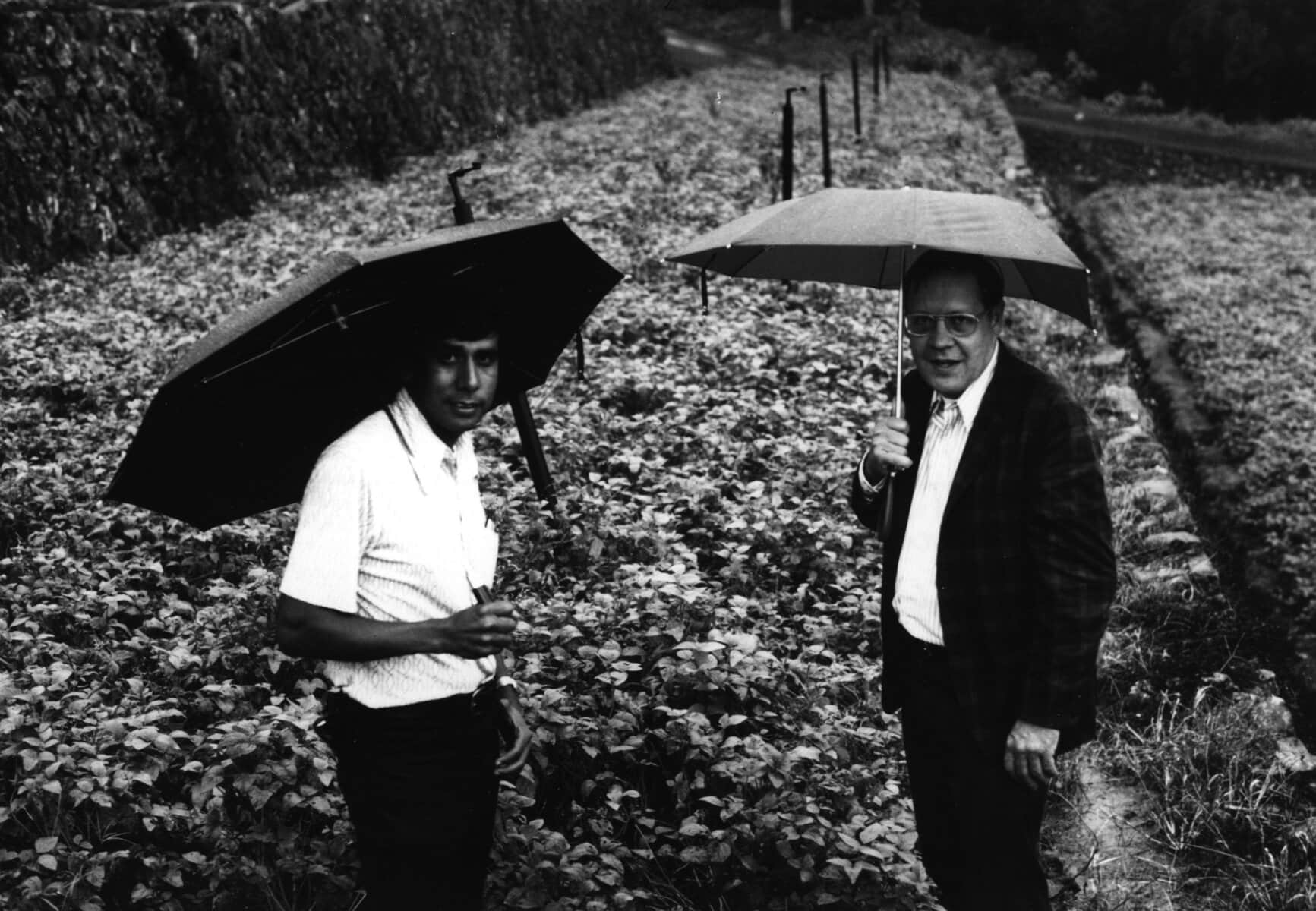
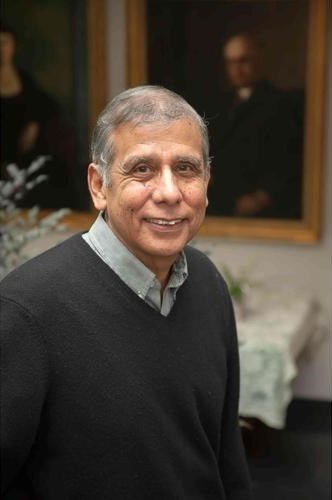
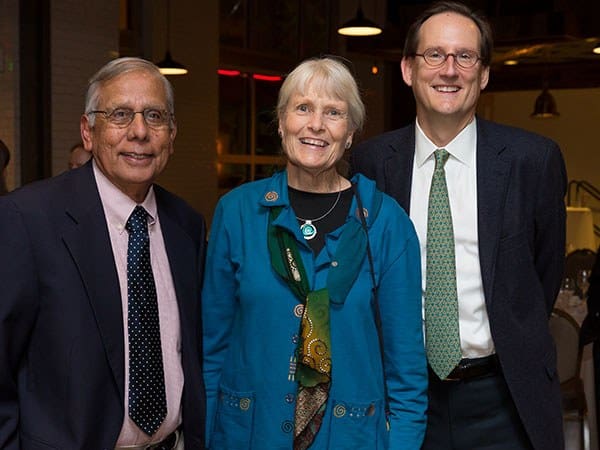
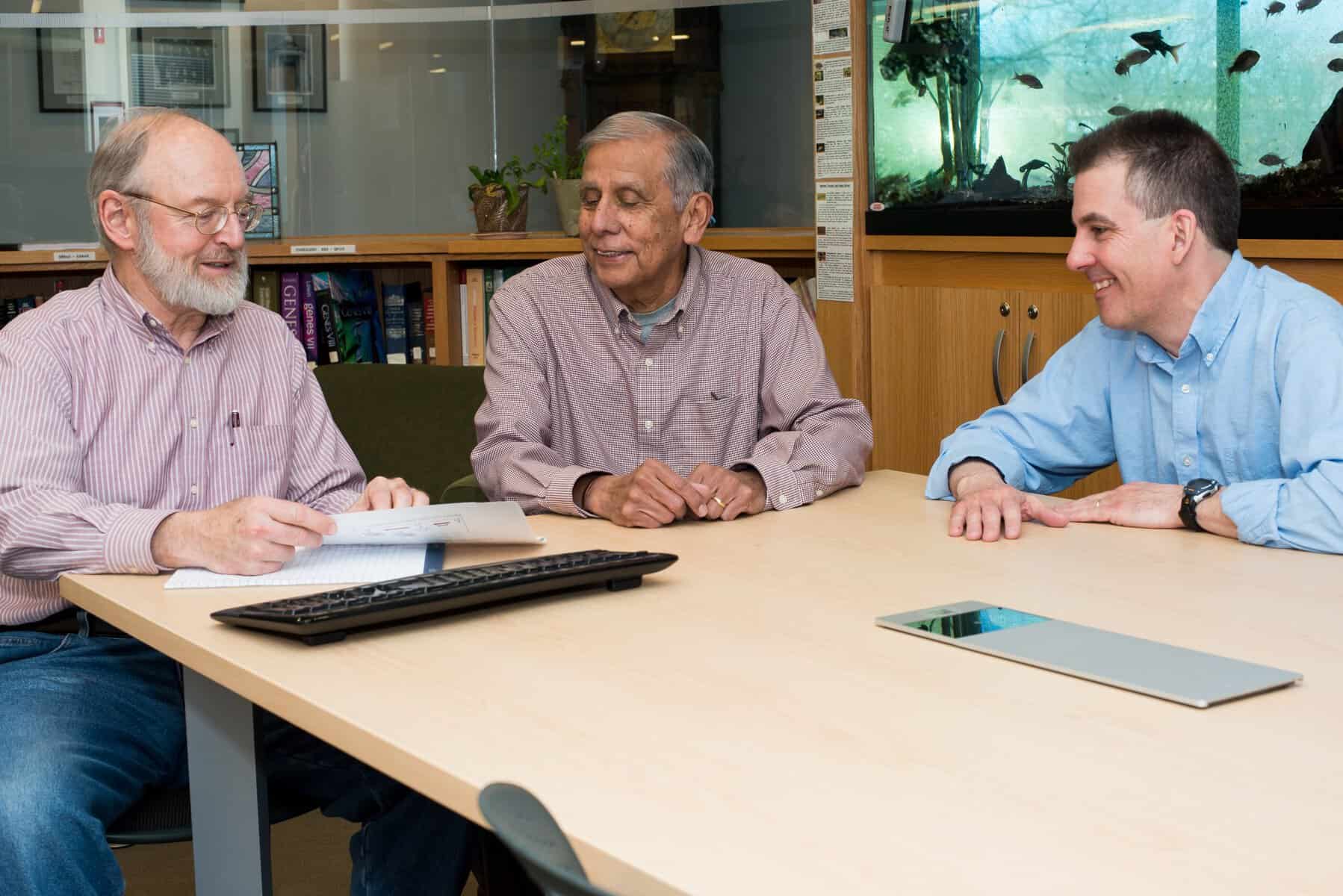
Memories of Bob
We are gathering reflections on Bob from former colleagues, students, collaborators, and friends, and will share them below. If you would like to share a memory or photograph, please email communications@btiscience.org.


